Dental bridges in Brisbane and Moreton Bay
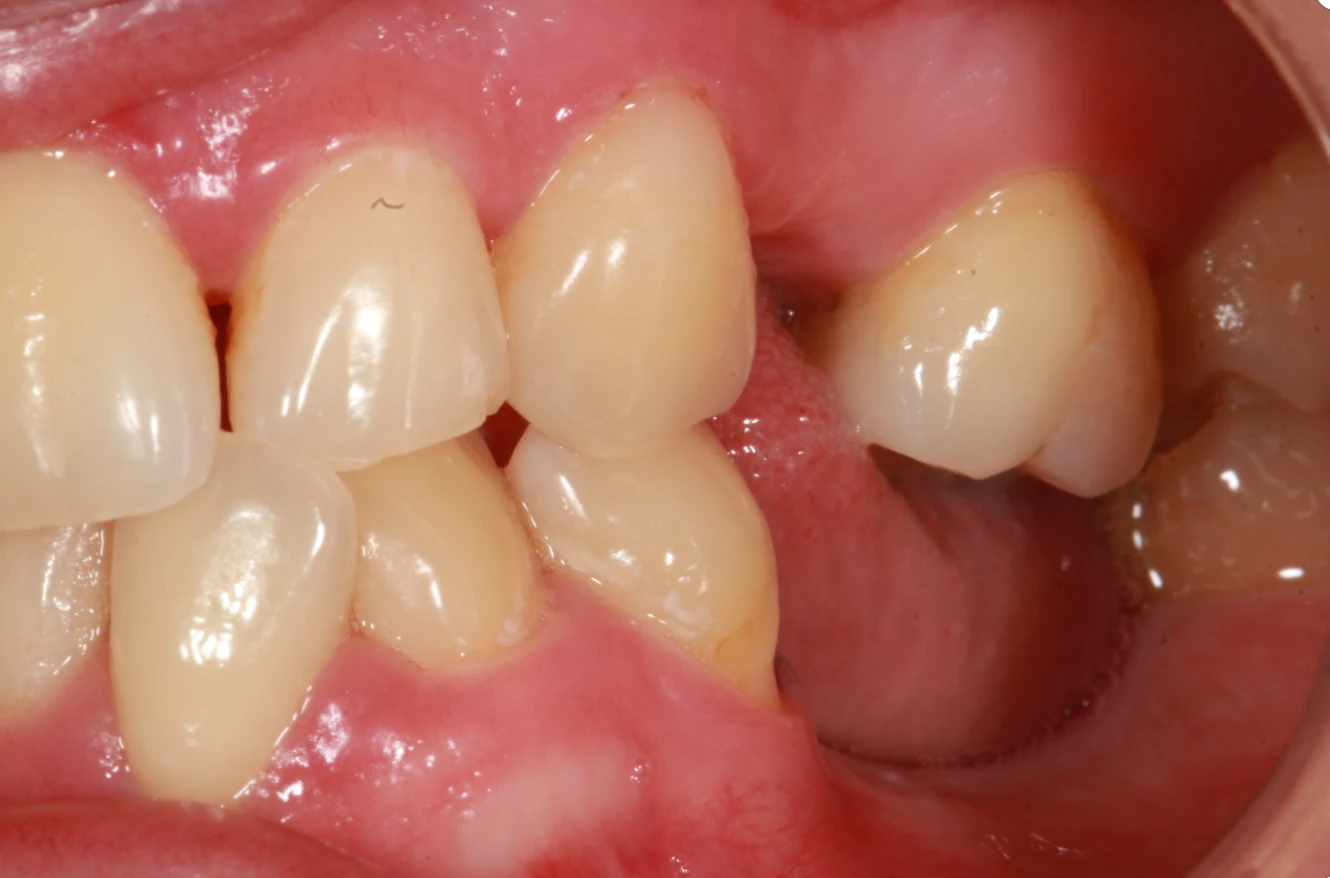
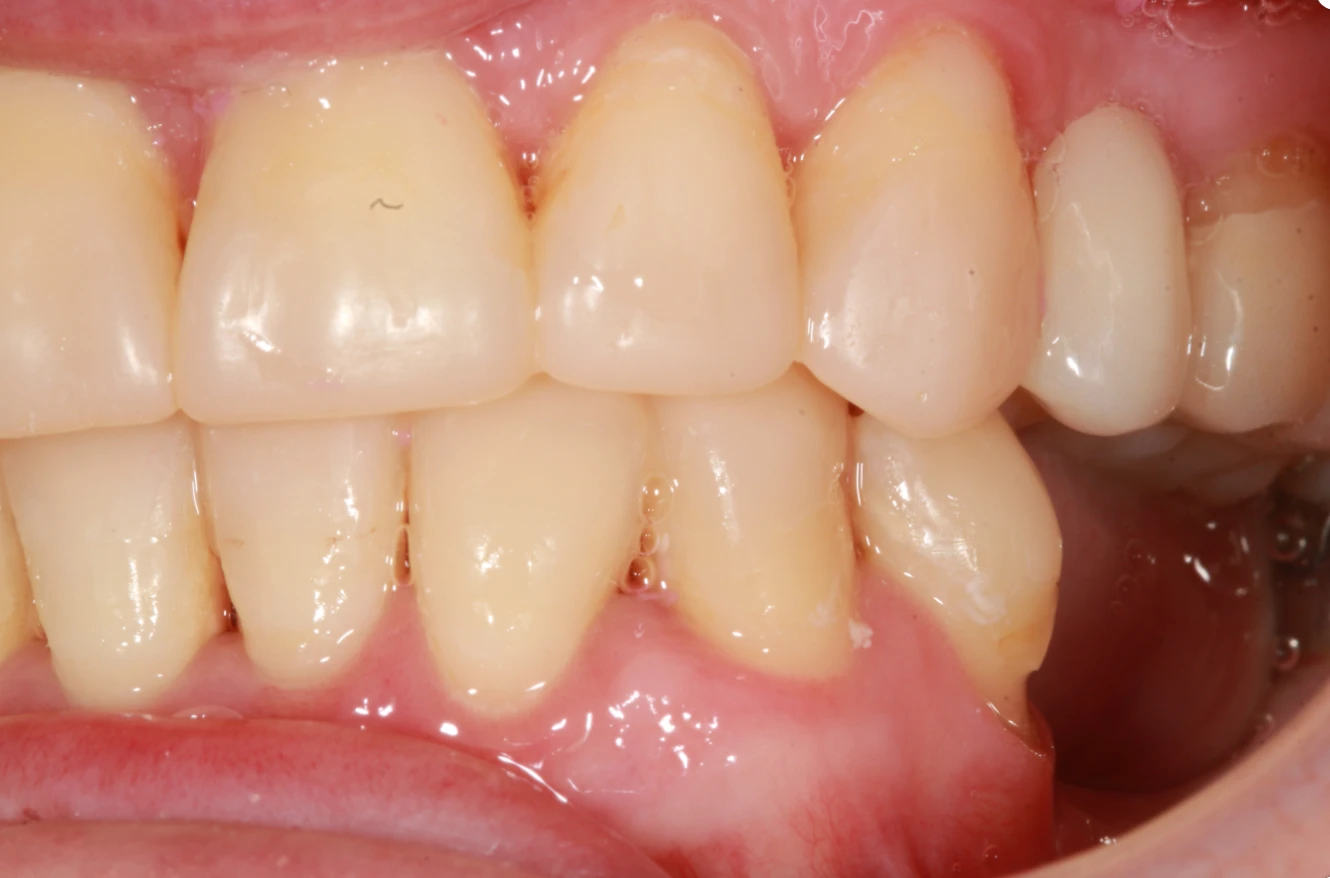
A dental bridge replaces a missing tooth with a false tooth held in place by crowns on the teeth either side, or by dental implants. It is fixed, so it does not come out, and it is shaped and coloured to match your own teeth. Filling the gap stops the neighbouring teeth tipping into it and the opposite tooth drifting, which over time changes your bite. A bridge usually takes two visits, and you get a written plan and price before anything is done.
Or call your nearest clinic
Is a bridge right for you?
- You are missing one tooth, or two or three in a row, and want something fixed rather than a removable plate.
- The teeth either side of the gap already have large fillings or crowns, so crowning them does little extra harm.
- You want the gap filled in weeks rather than the months an implant takes.
- When a bridge is not the answer. If the teeth either side are healthy and untouched, cutting them down to carry a bridge is a real cost, and an implant usually serves you better. If several gaps are spread around the mouth, a denture can be simpler. We go through the options with you at the examination.
A typical patient who asks us about a bridge has lost a back tooth that carried a large filling for decades. The teeth either side are already heavily filled or crowned, so crowning them does little extra harm, and they want the gap filled in weeks rather than months. At the examination we X-ray the supporting teeth and set out a bridge, an implant and a denture side by side in a written plan with the cost. If they go ahead, the first visit takes about two hours and they leave with a temporary bridge. The final bridge is fitted about two weeks later.
Types of bridge
Conventional bridge. Crowns are made for the teeth on each side of the gap, with the false tooth joined between them in one piece. This is the most common bridge.
Implant bridge. Where three or four teeth in a row are missing, two implants can carry a bridge, so no natural teeth are cut down. It takes longer, because the implants need three to four months to heal first.
What happens
- Examination. We check the gap, the teeth either side, your gums and your bite, and take X-rays to see how strong the supporting teeth are.
- Your written plan. Bridge, implant or denture, the material, the number of visits and the total cost, before you commit.
- Preparation. Under local anaesthetic, the supporting teeth are shaped and scanned. You leave with a temporary bridge, so you are not left with a gap. This visit takes about two hours.
- Fitting. About two weeks later, the bridge is tried in, the colour and bite are checked, and it is cemented in place.
- Review. We check the bridge, your gums and your bite at your next regular visit.
Happy gas is available at every clinic if you are nervous.
Dental bridge cost in Brisbane
| Bridge | Best for | From |
|---|---|---|
| Conventional bridge | One to three missing teeth with crowned or heavily filled teeth either side | Quoted after your examination |
| Implant bridge | Three or four missing teeth in a row, on two implants | $9,000 |
The cost of a conventional bridge depends on how many teeth it spans and the material, so we price it after the examination rather than guess. Health funds pay a rebate on bridges under major dental, and we claim on the spot with HICAPS; the amount depends on your policy. Larger plans can be paid through SuperCare or a payment plan. How paying for treatment works.
Bridge or implant?
A bridge is quicker and costs less up front for a single gap, but it relies on the teeth either side, and the bone under the false tooth slowly shrinks. An implant stands on its own, keeps the bone and leaves the neighbouring teeth alone, but takes months and costs more. Where the teeth next to the gap are healthy, we usually recommend the implant; where they already need crowns, a bridge often makes more sense. Bridge or implant: the full comparison.
Looking after a bridge
You cannot floss between the false tooth and the gum in the usual way, so we show you how to clean under it with a floss threader or a small interdental brush. Decay on the supporting teeth is the most common reason a bridge fails, so cleaning under it every day and keeping your regular check-ups matter more than anything else.
Which clinic
- Burpengary: opposite Burpengary station.
- Hamilton: the nearest clinic for Ascot, Clayfield and the inner north.
- Brighton: for Sandgate, Shorncliffe and Bracken Ridge.
- Sandstone Point: the nearest clinic for Bribie Island and Caboolture.
Dental bridge FAQ
How long does a dental bridge last?
A well-made bridge on healthy supporting teeth often lasts ten to fifteen years or more. Cleaning under it every day and regular check-ups make the biggest difference.
Does getting a bridge hurt?
The teeth are numbed, so preparation feels like having a filling. The supporting teeth can be a little sensitive for a few days afterwards.
How many visits does a bridge take?
Usually two, about two weeks apart, each around two hours. You wear a temporary bridge in between.
Can a bridge be done on an implant?
Yes. Where three or four teeth in a row are missing, two implants can carry a bridge, from $9,000, so no natural teeth need to be cut down.
Will my health fund cover a bridge?
Most extras policies pay a rebate on bridges under major dental, with waiting periods and annual limits. We check your cover and claim on the spot.
Read more
- Tooth bridge vs implant: which is the best restoration?
- Crowns and bridges: how they help
- Dental crowns
Or call your nearest clinic